
Self-compassion meditation guide has emerged as an essential practice for fostering emotional resilience and overall well-being. By allowing individuals to cultivate kindness towards themselves amid life’s inevitable struggles, this approach offers a pathway to enhanced self-worth and improved relationships. Beginning this journey requires an understanding of the foundational principles of self-compassion and the practical steps to integrate it into everyday life. However, many beginners face common challenges that can hinder their progress. Exploring these aspects can reveal transformative insights that might just reshape your understanding of personal growth.
Key Takeaways
- Find a quiet, comfortable space and begin with focused breathing to settle your mind before meditation.
- Visualize a situation that triggers self-criticism, allowing yourself to acknowledge those feelings without judgment.
- Repeat kind phrases to yourself, such as “May I be gentle with myself,” to foster self-compassion during meditation.
- Practice regularly to strengthen your self-compassion skills, starting with shorter sessions to build confidence gradually.
- Integrate self-compassion into daily life by pausing to acknowledge your feelings and using affirmations to promote kindness towards yourself.
Understanding Self-Compassion
Understanding self-compassion is akin to nurturing a delicate flower within ourselves, one that requires care, patience, and understanding to flourish. It involves treating ourselves with the same kindness and concern that we would extend to a close friend during times of struggle. This foundational principle encourages us to acknowledge our imperfections and emotional pain without judgment. By embracing self-compassion, we create a safe space within, allowing for emotional healing and growth. It fosters resilience, promoting a sense of belonging that many of us seek. Recognizing our shared humanity can transform our inner dialogue, replacing self-criticism with supportive affirmations. Ultimately, understanding self-compassion opens the door to deeper connections with ourselves and others, paving the way for a more fulfilling life.
Benefits of Self-Compassion Meditation
Embracing self-compassion meditation offers a myriad of benefits that extend beyond mere relaxation. This practice nurtures a supportive inner dialogue, fostering emotional resilience and a sense of connection with oneself and others. By cultivating self-kindness, individuals can experience profound transformations in their mental well-being.
- Increased emotional regulation: Learn to respond to challenges with understanding rather than harsh judgment.
- Enhanced self-worth: Build a strong foundation of self-acceptance, reducing feelings of inadequacy.
- Strengthened relationships: Promote empathy towards oneself, which naturally extends to others.
As you explore this self-compassion meditation guide, remember that the journey toward self-love is not only beneficial for you but also for the communities you belong to, creating ripples of positivity.
Steps to Begin Your Practice
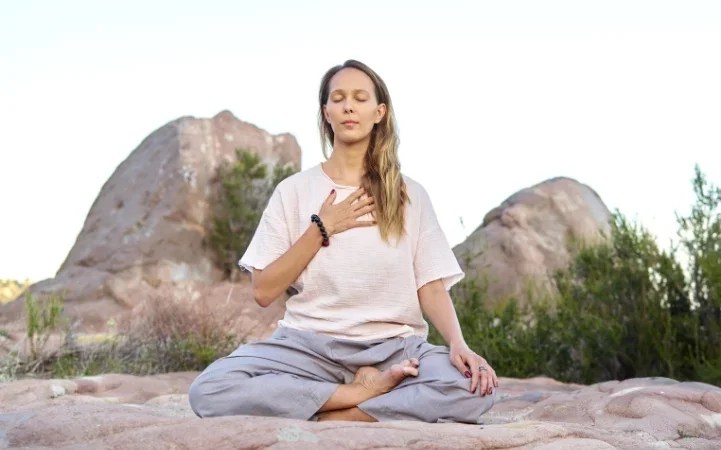
Starting a self-compassion meditation practice can feel both exciting and intimidating, but approaching it with an open heart and mind can lead to transformative experiences. To begin, find a quiet space where you feel comfortable and free from distractions. Start with just a few minutes of focused breathing, allowing yourself to settle into the moment. Next, gently bring to mind a situation that evokes discomfort or self-criticism. As you visualize this, offer yourself kind phrases such as, “May I be gentle with myself” or “I am enough.” Finally, embrace the feelings that arise without judgment, fostering a sense of warmth and acceptance. Consistency is key; aim to practice regularly, gradually deepening your connection to this self-compassion meditation guide.
Common Challenges and Solutions
Steering the journey of self-compassion meditation can present various challenges that may hinder your practice. Recognizing these obstacles is the first step toward overcoming them. Common difficulties include:
- Self-judgment: You may struggle to silence the inner critic that undermines your efforts.
- Distraction: External and internal distractions can make it hard to focus on your meditation.
- Impatience: Frustration may arise from not seeing immediate results, leading to discouragement.
Addressing these challenges requires patience and self-kindness. Allow yourself to acknowledge these feelings without judgment. Consider incorporating shorter sessions to gradually build your practice, and remember that growth in self-compassion takes time. Embrace the journey, knowing that each step forward is a reflection of your commitment to belonging and kindness toward yourself.
Integrating Self-Compassion in Daily Life
Integrating self-compassion into daily life requires intentionality and practice, as it fosters a mindset that nurtures kindness and understanding toward oneself. Start by incorporating brief moments of self-reflection throughout your day. When faced with challenges, pause to acknowledge your feelings without judgment. Use affirmations or gentle reminders, such as “It’s okay to feel this way” or “I am doing my best.” Create a self-care routine that prioritizes your emotional well-being, whether through journaling, meditation or simply taking a break. Surround yourself with supportive individuals who encourage self-compassion. As you practice these habits, you cultivate a sense of belonging, not only to yourself but also within your community, making the self-compassion meditation guide an essential tool for personal growth.
Conclusion
Incorporating self-compassion meditation into daily life can lead to significant emotional healing and enhanced self-worth. By embracing kindness during moments of discomfort, individuals foster resilience and improve mental well-being. As practice becomes habitual, the benefits extend beyond the self, positively impacting relationships with others. Overcoming challenges in this journey is essential, and with consistent effort, the transformative power of self-compassion becomes a valuable tool for traversing life’s complexities. Embracing this practice nurtures a deeper sense of connection and understanding within oneself.

 Harmony Within